

























Whey Protein vs Yeast Protein: Which Protein Is Better for Muscle Growth, Recovery & Health?
Share
Quick answer: neither is better for everyone. Whey protein is the stronger choice for fast post-workout recovery and muscle gain because it digests quickly and is richer in leucine. Yeast protein is the better fit if you avoid dairy, have lactose issues or want a more sustainable protein. If you want both, a whey + fermented yeast blend like Next Gen Protein gives you fast and steady protein in one scoop.
Introduction
Before choosing a protein supplement, it helps to know the exact difference between whey protein and yeast protein. Your daily routine depends on easy digestion, muscle growth, stamina and energy. Let's break down whey protein vs yeast protein and find out which one fits your fitness goal.
What is Whey Protein?
During cheese production, milk separates into solid curds and a liquid by-product. That liquid is filtered and dried into a fine powder called whey. Whey is easy to digest, high in protein and rich in amino acids, which makes it one of the most popular choices among gym-goers and athletes.
Types of Whey Protein
Whey Concentrate
Contains 70 to 80 percent protein by weight, plus some lactose and milk fat, which gives it a creamy taste. In sensitive individuals, the lactose can cause bloating or stomach cramps.
Whey Isolate
Goes through extra filtration that removes most of the fat and lactose. It contains around 90 percent protein and its very low lactose content makes it easier to digest for many people.
Whey Hydrolysate
Whey that has been partially broken down with enzymes into smaller peptides, chosen by athletes who want the fastest absorption.
What is Yeast Protein?
Yeast protein is a non-dairy protein made by fermenting yeast — a single-celled fungus, not a plant — and processing it into a protein powder with a balanced amino acid profile and high digestibility. Read more about what yeast protein is.
What is Fermented Yeast Protein?
Fermented yeast protein is made through microbial fermentation, not dairy farming, so in its pure form it is naturally lactose-free and fits vegan diets. It is produced from strains such as Saccharomyces cerevisiae, which multiply rapidly and are then processed into a digestible protein powder.
How Yeast Protein is Produced
Yeast is grown in large stainless steel bioreactors at a controlled temperature and pH. The biomass is collected, the protein is separated from the cell walls, and it is purified into the final powder.
Whey Protein vs Yeast Protein: A Quick Comparison
| Feature | Whey Protein | Yeast Protein |
| Source | Milk-based | Fermentation-based |
| Diet fit | Not vegan | Vegan and dairy-free (pure form) |
| Digestion | Fast | Gentle and steady |
| Leucine | Around 11% | Around 6–8% |
| Muscle gain | Very strong | Promising and useful |
| Sustainability | Lower | Stronger sustainability story |
| Best for | Muscle gain and recovery | Dairy-free and vegan users |
Amino Acid Profile Comparison
Both whey protein and yeast protein contain all nine essential amino acids. A standard serving of whey typically has more branched-chain amino acids — around 5.5 grams, versus roughly 4.5 grams in yeast protein. Leucine, the key amino acid that switches on muscle protein synthesis, makes up around 11% of whey and roughly 6 to 8% of yeast protein.
Digestibility and Absorption
Whey protein digests faster, so its amino acids reach the bloodstream quickly — ideal after training. Yeast protein digests at a more moderate, steadier pace. Whey concentrate can cause bloating in lactose-intolerant people; isolate contains much less lactose. Pure yeast protein contains no lactose, so many users find it lighter on the gut.
Muscle Growth & Recovery
Research consistently confirms that whey protein strongly stimulates muscle protein synthesis after training, and its speed and leucine content give it the edge for building muscle. Yeast protein is a newer, promising option that still supports muscle repair when you hit your daily protein target.
Whey Protein vs Yeast Protein for Weight Loss
No protein supplement burns fat on its own. Protein helps control cravings, keeps you full and helps preserve muscle in a calorie deficit. Because yeast protein digests more slowly, it may keep you feeling full for longer; whey curbs hunger for a shorter period.
Which One Should You Choose?
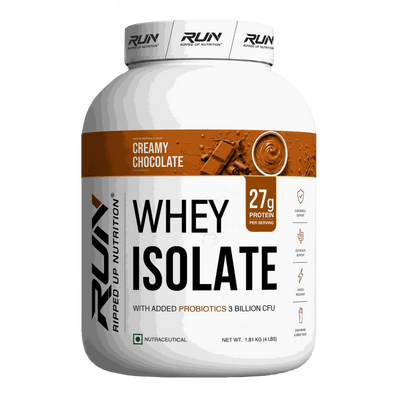
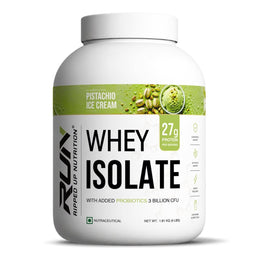
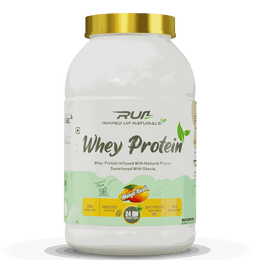
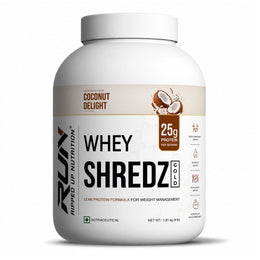
- For muscle gain and fast recovery: whey — try Whey Protein Isolate.
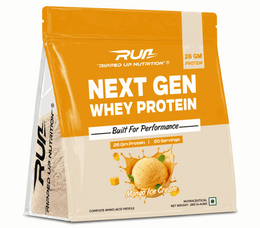
- For whey and yeast in one scoop: Next Gen Protein — 26g protein from whey and fermented yeast protein, with DigeZyme® enzymes.
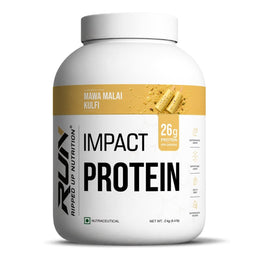
- For a multi-source everyday protein: Impact Protein — fermented yeast protein, soy protein isolate and milk solids, 26g protein per serving.
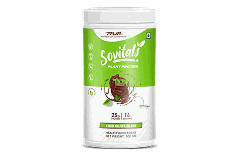
- For fully vegan and dairy-free: Sovitals Plant Protein — 25g protein from pea and brown rice.
Compare the full protein range.
FAQs
Is yeast protein better than whey?
Not for everyone. Whey is better for fast recovery and muscle gain; yeast protein is better if you avoid dairy or want a more sustainable option.
Can I take whey and yeast protein together?
Yes. Blends like Next Gen Protein combine both, giving you fast-digesting whey and steadier yeast protein in one shake.
Is yeast protein a complete protein?
Yes. Yeast protein provides all nine essential amino acids.
Which is better for weight loss?
Both work in a calorie deficit. Yeast protein's slower digestion may help you stay full for longer.