


























Whey Protein vs Plant Protein: Pros, Cons & Which One Should You Choose?
Share
When it comes to selecting the right supplement, the discussion around whey protein vs plant protein has become more popular than ever. With growing awareness about fitness, clean nutrition, and sustainable choices, more people are asking: Is plant protein as effective as whey? Which is better for muscle gain? And which one supports weight loss and overall health?
Protein plays a crucial role in muscle recovery, fat loss, metabolism, and daily energy levels. Understanding the difference between whey protein vs plant based protein can help you make a smarter decision based on your body type, dietary preferences, and fitness goals.
What is Plant Protein?
Plant protein is protein derived entirely from plant-based sources such as peas, brown rice, soy, hemp, chia seeds, lentils, quinoa, and other legumes and seeds. Unlike whey protein, which is extracted from milk, plant protein is 100% dairy-free, making it ideal for vegans, vegetarians, and people with lactose intolerance or dairy sensitivities.
Plant protein often also contains fiber, antioxidants, vitamins, and minerals that support digestion and overall wellness.
Examples of Plant Protein
- Pea protein
- Brown rice protein
- Soy protein
- Hemp protein
- Pumpkin seed protein
- Lentils and chickpeas
- Quinoa
Many modern supplements combine multiple plant sources to create a complete amino acid profile.
What is Whey Protein?
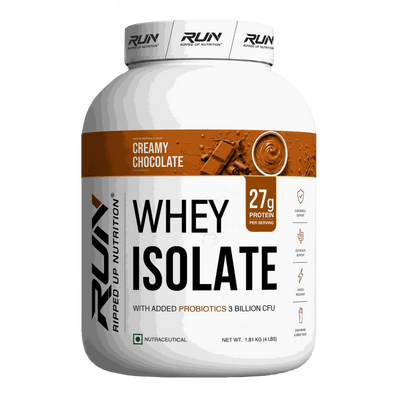
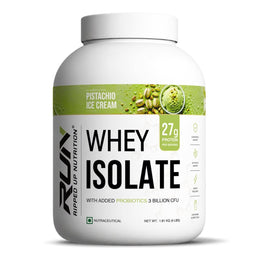
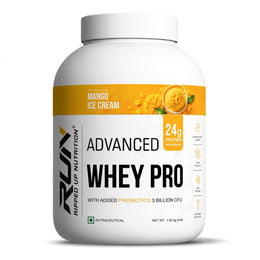
Whey protein is a high-quality protein derived from milk during cheese-making. The liquid whey is filtered and processed into protein powder. It is a complete protein containing all nine essential amino acids, especially leucine, which plays a crucial role in muscle repair and growth.
The three main types of whey protein
1. Whey Protein Concentrate (WPC)
The least processed form, typically 70–80% protein with some lactose and fat. More affordable, but may not suit people sensitive to lactose.
2. Whey Protein Isolate (WPI)
Further filtered to remove most of the lactose and fat, usually 90% or more protein. Better for lactose-sensitive people, often slightly more expensive.
3. Whey Protein Hydrolysate (WPH)
“Pre-digested” into smaller peptides for faster absorption. Often more expensive and may taste slightly bitter.
Whey is popular because it is rapidly absorbed, rich in BCAAs, and well researched for post-workout recovery.
Whey Protein vs Plant Protein: Key Differences
1. Amino Acid Profile
Whey naturally contains all essential amino acids in optimal amounts. Single-source plant proteins may lack one or two, but modern blends are nutritionally comparable.
2. Digestibility
Whey absorbs quickly and suits post-workout use, but may cause bloating in lactose-intolerant people. Plant protein is easier on digestion for many people and suits lactose intolerance.
3. Allergies & Sensitivities
Plant protein clearly wins for people with lactose intolerance, dairy allergies, or vegan preferences. Whey is not suitable for strict vegans.
Plant Protein vs Whey Protein for Weight Loss
Plant protein often contains fiber, which increases fullness and helps control cravings. Whey also promotes satiety but lacks fiber. Both help preserve lean muscle and support calorie control — research shows total protein intake matters more than the source for fat loss.
Pros and Cons
Plant Protein
- Pros: dairy-free and vegan, easy to digest, contains fiber, sustainable.
- Cons: slightly lower leucine, some varieties taste earthy, single sources may be incomplete.
Whey Protein
- Pros: complete amino acids, high leucine, fast absorption, well researched.
- Cons: not vegan, may cause bloating in some people, contains lactose (unless isolate).
Whey Protein vs Plant Based Protein for Muscle Gain
Whey may stimulate muscle protein synthesis slightly faster, but high-quality blended plant protein can achieve similar results when consumed in adequate amounts. The key factor is total daily protein intake — around 1.6–2.2g per kg of body weight for active individuals.
Which One Should You Choose?
Choose Plant Protein If:
- You are vegan or vegetarian
- You have lactose intolerance
- You experience bloating from whey
- You want added fiber
Choose Whey Protein If:
- You tolerate dairy well
- You want fast absorption post-workout
- You focus heavily on muscle growth
Neither is universally superior. The best protein is the one you can digest, afford, and take consistently.
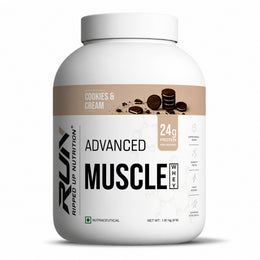
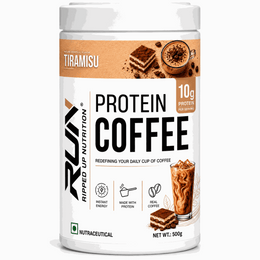
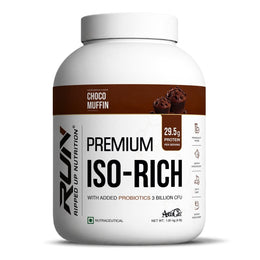
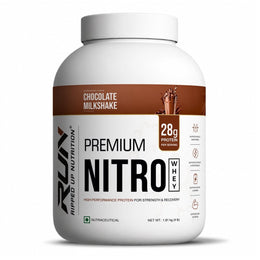
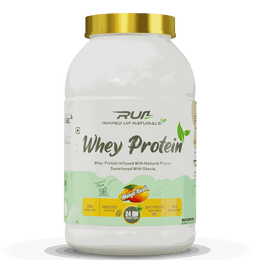
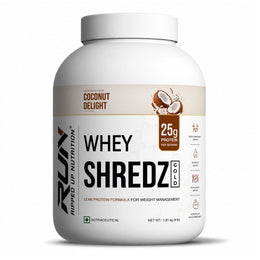
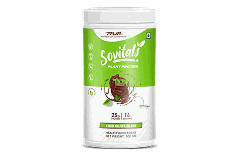
Looking for a dairy-free option from Ripped Up Nutrition? Try Sovitals Plant Protein — 25g vegan protein from pea and brown rice. Prefer whey? Compare every option in our protein range.
Conclusion: Plant Protein vs Whey Protein
If you prefer a clean, dairy-free, easy-to-digest option, plant protein is an excellent choice. If your focus is rapid muscle recovery and fast absorption, whey protein remains a strong and effective choice. Explore Ripped Up Nutrition for high-performance whey, clean plant protein, and energising pre-workouts.
FAQs
1. What is plant protein?
Protein from plant sources such as peas, soy, rice, lentils, and seeds. It is dairy-free and suitable for vegans.
2. What are some examples of plant protein?
Pea, brown rice, soy and hemp protein, lentils, chickpeas, and quinoa.
3. Whey protein vs plant protein — which is better?
It depends on your needs. Whey absorbs faster; plant protein is easier to digest and suits vegans.
4. Plant protein vs whey protein for weight loss — which works better?
Both can support weight loss in a calorie-controlled diet. Plant protein may offer extra fullness from fiber.
5. Is muscle gain different with whey or plant protein?
Whey may work slightly faster, but high-quality plant blends can produce similar results when taken in adequate amounts.