











What Is Yeast Protein? Benefits, Uses & How It Works
Share
Yeast protein is emerging as a powerful, sustainable, and highly effective plant-based protein source. If you're wondering what yeast protein is and how it works, it’s a complete protein derived from yeast through a natural fermentation process, offering high bioavailability and essential amino acids needed for muscle growth and recovery.
With the rising demand for vegan and clean nutrition, yeast protein is becoming a popular alternative to whey and soy protein.
What Is Yeast Protein?
Yeast protein is produced from single-celled microorganisms (yeast) through fermentation. During this process, yeast is cultivated, harvested, and processed into a protein-rich powder.
Unlike traditional protein sources, yeast protein is:
-
Naturally rich in essential amino acids
-
Highly digestible
-
Sustainable and eco-friendly
-
Free from dairy and allergens
It’s often used in supplements, protein powders, and fortified foods.
How Yeast Protein Works in the Body
Yeast protein works similarly to other high-quality proteins by supplying essential amino acids that your body cannot produce on its own.
Once consumed:
-
It breaks down into amino acids
-
Supports muscle protein synthesis
-
Aids in muscle repair and recovery
-
Helps maintain lean muscle mass
Because of its high absorption rate, yeast protein can be especially effective post-workout or as a daily protein supplement.
Benefits of Yeast Protein
1. Complete Amino Acid Profile
Yeast protein contains all nine essential amino acids, making it a complete protein comparable to animal-based sources.
2. Supports Muscle Growth
It helps stimulate muscle protein synthesis, which is crucial for building and maintaining muscle mass.
3. Easy to Digest
Unlike some plant proteins, yeast protein is gentle on the stomach and less likely to cause bloating.
4. Vegan & Allergen-Free
Perfect for those who are lactose intolerant, vegan, or allergic to soy or dairy.
5. Sustainable Protein Source
Yeast production requires fewer natural resources compared to animal farming, making it environmentally friendly.
Uses of Yeast Protein
Yeast protein can be used in multiple ways depending on your fitness and dietary goals:
Daily Protein Intake
Add it to smoothies or shakes to meet your daily protein requirements.
Post-Workout Recovery
Consume after workouts to support muscle repair and reduce soreness.
Meal Replacement
Combine with carbs and healthy fats for a balanced meal.
Vegan Diet Support
An excellent alternative for those following plant-based diets.
How to Use Yeast Protein Effectively
To get the best results from yeast protein:
-
Take 20–30g per serving
-
Use it post-workout or between meals
-
Mix with water, milk, or smoothies
-
Combine with carbs for better absorption
Consistency is key when using any protein supplement.
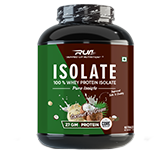
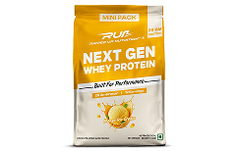
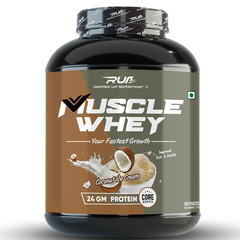
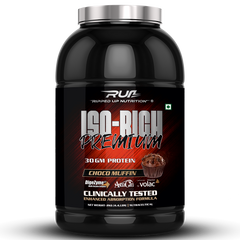
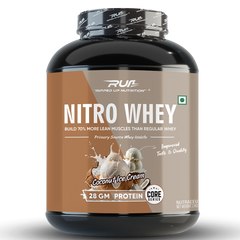
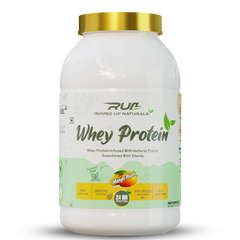
For those who prefer a convenient and precisely formulated option, using a high-quality protein supplement can make it easier to meet your daily intake without guesswork. A clean and well-balanced formula like a Next Gen Whey Protein (Whey + Fermented Yeast Protein) blend from Ripped Up Nutrition can complement your routine alongside yeast protein, especially for post-workout recovery and muscle support.
Yeast Protein vs Whey Protein
|
Feature |
Yeast Protein |
Whey Protein |
|
Source |
Microbial (yeast) |
Dairy |
|
Digestibility |
High |
High |
|
Vegan |
Yes |
No |
|
Allergen Risk |
Low |
Moderate |
|
Sustainability |
High |
Lower |
Yeast protein is a strong alternative for those seeking a clean, plant-based option without compromising on quality.
Is Yeast Protein Better Than Other Plant Proteins?
Compared to proteins like pea or rice protein, yeast protein stands out because:
-
It has a more complete amino acid profile
-
Offers better digestibility
-
Provides consistent quality
This makes it a premium option among plant-based proteins.
Are There Any Side Effects?
Yeast protein is generally safe for most people. However:
-
Start with smaller servings if you’re new
-
Ensure you’re not sensitive to yeast-based products
-
Always choose high-quality, tested supplements
Final Thoughts: Is Yeast Protein Worth It?
Understanding what yeast protein is and how it works makes it clear why it’s rapidly gaining attention in the fitness and nutrition world. It delivers a complete amino acid profile, is easy to digest, and offers a sustainable, plant-based alternative without compromising performance.
Whether your goal is building lean muscle, speeding up recovery, or simply improving your daily protein intake, yeast protein can be a smart and effective addition to your routine. When combined with a structured diet and consistent training, it helps unlock better strength, endurance, and overall results.
However, maximizing your fitness journey goes beyond just one ingredient. The real transformation happens when you combine high-quality protein with the right supplementation strategy tailored to your goals.
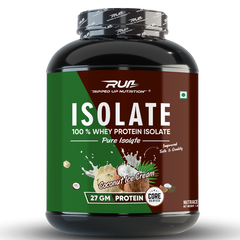
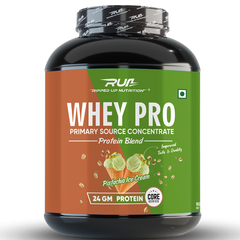
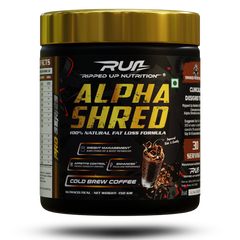
If you're serious about taking your performance to the next level, explore Ripped Up Nutrition for premium, results-driven gym supplements. From advanced protein supplements that support muscle growth and recovery to powerful fat burners designed to accelerate your cutting phase, each collection is crafted to help you train harder and achieve faster results.
Fuel your body right, train with intensity, and support your journey with supplements that are built for performance. Start your transformation today with Ripped Up Nutrition.
FAQs
-
Is yeast protein good for muscle building?
Yes, yeast protein supports muscle growth by providing all essential amino acids required for muscle repair and synthesis.
-
Is yeast protein vegan?
Yes, yeast protein is 100% vegan and plant-based.
-
How is yeast protein made?
It is produced through fermentation, where yeast is grown, harvested, and processed into protein powder.
-
Can I take yeast protein daily?
Yes, it can be consumed daily as part of a balanced diet.
-
Is yeast protein better than whey?
It depends on your needs. Yeast protein is better for vegans and those with lactose intolerance, while whey is widely used for fast absorption.
-
Does yeast protein cause bloating?
Generally, it is easier to digest and less likely to cause bloating compared to some other proteins.