










Fermented Next Gen Whey Protein : Everything You Need to Know Before Buying
Share
What is Fermented Whey Protein
Modern fitness nutrition has evolved beyond simply counting grams of protein. Today's athletes, gym-goers, and health-conscious individuals are looking for supplements that support muscle recovery, digest comfortably, and fit into long-term wellness goals. That's where Next Gen Whey Protein enters the conversation.
Unlike traditional whey protein formulas, next-generation blends combine high-quality whey with innovative fermentation technology and cleaner formulations to improve digestion, amino acid delivery, and recovery. Emerging research also suggests fermented protein may offer additional benefits for muscle performance and gut health compared with conventional whey concentrates.
If you've been wondering whether fermented yeast protein is worth switching to, this guide answers everything—from benefits and uses to myths and expert-backed facts.
What Makes It “Next Gen Fermented Protein”?
Honestly, “next gen” is one of those phrases that gets thrown around a lot. So here’s the breakdown: what makes this one actually deserve the name.
Regular whey protein concentrate does its job. Sure. But there’s a limit to it. For some people, especially those with mild lactose sensitivity, digestion can feel off. It also leans on dairy as the main protein source. And if you don’t look closely at enzyme content and amino acid density, you might not be absorbing as much as you assume.
Ripped up fermented whey protein goes past that ceiling with a few clear moves:
-
Dual-source protein architecture:
Whey protein concentrate + fermented yeast protein. Two protein sources that play well together; they complement each other's amino acid profiles instead of relying on only one source to carry everything.
-
DigeZyme® enzyme complex:
This patented enzyme blend isn’t just marketing noise. It helps with protein breakdown and nutrient uptake, so your muscles actually get more of what they need from each scoop.
-
Zero added sugar and zero trans fat:
The label is clean, like 0.04 g total sugar per serving and 0 g added sucrose. If you’ve ever had a protein powder that tasted weirdly sweet, and then later you realized why, you’ll get why this matters.
-
Five distinct flavors:
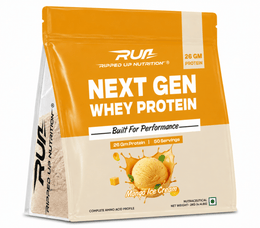
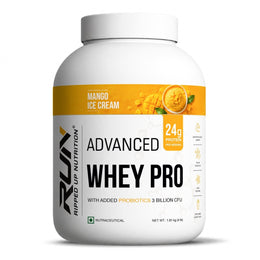
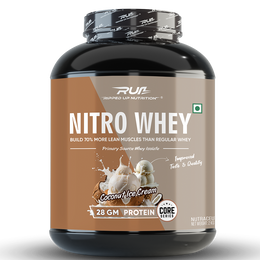
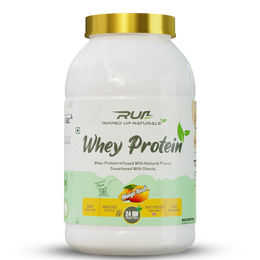
Mango Ice Cream, Toffee Fudge, Chocolate Ice Cream, Coconut Ice Cream, and Malai Kulfi. It’s not only functional, but it’s genuinely pleasant to drink.
-
Smooth mixability:
No clumps, no gritty feel. Just a decent shake that blends in about 30 seconds with water or milk.
Pricing-wise, it’s ₹1,299 for 500g (12 servings) and ₹2,339 for 1kg (25 servings). So it lands in a premium but still doable category, not that “luxury for elite athletes only” kind of thing.
What is fermented protein?
Fermented protein is still kinda new for many fitness buyers, but the science behind it isn’t random at all.
Fermented yeast protein comes from Saccharomyces cerevisiae through a controlled bio-fermentation process.
Live yeast cultures are grown, nutritionally enhanced in a closed production setup, and then turned into a complete protein source that’s highly bioavailable. Unlike a lot of plant proteins that need chemical or mechanical extraction, which can involve solvents, fermented protein tends to keep its nutrient integrity more throughout production.
What Makes Fermented Protein Different From Regular Whey Protein?
Fermented protein is one of the biggest innovations in sports nutrition.
During fermentation, carefully selected microorganisms help break down certain protein structures, creating smaller peptides that may improve digestion and nutrient absorption.
| Feature | Regular Whey | Fermented Whey Protein |
| Protein Quality | High | High |
| Complete Amino Acids | Yes | Yes |
| Digestibility | Good | Potentially Better |
| Bioactive Peptides | Standard | Enhanced |
| Recovery Support | Strong | Potentially Enhanced |
Research reviewing fermented whey has found improvements in muscle development and dynamic balance during resistance training, although more large-scale studies are still needed.
Types of Whey Protein
Before you jump in, it helps to know what you’re actually picking when you buy a protein supplement, because it’s not all the same.
Whey Protein Concentrate (WPC):
This is the most common, usually the most budget-friendly version. Protein content can vary based on processing, and it tends to keep more of the natural nutrients found in whey. Ripped Up Nutrition's Next Gen formula uses a high-purity WPC as the core whey source.
Whey Protein Isolate (WPI):
This is a more refined option, with a higher protein-to-calorie ratio, plus less fat and lactose. It’s often better tolerated if someone has mild lactose sensitivity, but the price is typically higher too.
Whey Protein Hydrolysate (WPH):
This one is pre-digested using enzymatic treatment, so it tends to be absorbed faster than concentrate or isolate. You’ll see it used in medical nutrition and also for people with digestion concerns. The downside is it can taste more bitter, and it usually costs a lot more.
Fermented Yeast Protein:
Yep, this is the same idea as above, made from Saccharomyces cerevisiae, with a complete PDCAAS score of 1.0, allergen-free, and highly digestible. It’s not "whey-based" in the strict sense, but it pairs really well with WPC in a combined formula.
The Next Gen Whey Protein takes the strengths of WPC and fermented yeast protein and turns them into one complementary blend. Think of it as a mix that covers the weak spots of each source separately.
Benefits of Next Gen Whey Protein
- Supports Muscle Growth and Strength
This is the part most people focus on first, and honestly, it makes sense. Protein is one of the most important nutrients for keeping and building muscle mass, especially when physical demands increase or as we age.
Whey protein is considered a “complete protein,” meaning it includes all nine essential amino acids your body can’t produce on its own.
It’s also notably rich in leucine, the branched-chain amino acid most tied to muscle protein synthesis. Some research indicates whey supplementation can support muscle mass and improve strength, especially when it’s paired with resistance training.
In this formula, the fermented yeast protein kind of doubles down on leucine, giving your muscles the exact signal they need to grow and recover more effectively.
2. Accelerates Post-Workout Recovery
After a hard workout, your muscle fibers get damaged in a controlled and purposeful way, and then they need raw materials to repair. Getting quality protein into your system during that post-workout window is widely treated as best practice for recovery.
With 26g of protein per serving, plus DigeZyme® to help enhance absorption, the Next Gen formula aims to do more than just get protein into you. It helps ensure the protein is actually utilized. When digestion is faster, amino acids can reach muscle tissue more quickly, which may help reduce that heavy, sore feeling the next day, even after leg day.
3. Helps Manage Body Composition
Okay, so here’s the thing people tend to forget: protein is probably the most satiating macronutrient. It cuts down appetite and cravings, way more effectively than carbohydrates or fat, by setting off fullness hormones like GLP-1, CCK and PYY.
So yeah, a well-timed protein shake can actually help you eat less overall. Not because of some magical willpower, more like biology, and that’s the point.
There’s also that thermic effect thing, where higher protein intake makes your body spend more energy digesting it, compared with other macronutrients. And if you pair that with a calorie deficit plus regular exercise, the best whey protein supplementation has been linked to solid fat-loss results while keeping lean muscle mass.
4. Clean Nutritional Profile for Lean Muscle Support
With zero added sugar, minimal carbohydrates (4.2g per serving) and low fat content, this protein supplement slots nicely into a bunch of different eating plans. Cutting, maintaining, or even a lean bulk, it still fits. Plus the skimmed milk powder in the mix brings calcium and essential vitamins without suddenly jacking up the fat content.
5. Gut-Friendly Digestion
This is where the fermented yeast protein component kind of really shines. Plenty of people get digestive discomfort from regular protein shakes, like bloating, gas, or that heavy, unpleasant feeling after drinking them.
Fermented yeast protein tends to be easier on the gut, and it’s free from anti-nutrients (phytates and lectins, for instance) that can mess with digestion in soy-based proteins.
Add DigeZyme® on top of that, and suddenly you’ve got a protein supplement built to not turn your stomach into the main battlefield.
6. Antioxidant and Immune Support
Some research suggests fermented whey protein might help support the body’s production of glutathione, which is one of the strongest natural antioxidants. It may also support immune function.
This matters for people who train hard, because intense exercise can temporarily suppress immune responses. So a protein supplement that even modestly supports immunity, along with muscle recovery, is honestly pretty useful.
7. May Support Cardiovascular Markers
A review of multiple studies found that consistent whey protein supplementation was associated with lower systolic blood pressure in certain groups.
There’s also evidence pointing toward possible improvements in LDL cholesterol and triglycerides, especially when it’s combined with regular exercise over a longer period (12 weeks or more).
Who Should Use It?
The truth is more people than you’d expect.
-
Regular gym-goers and athletes usually get the clearest benefits, like quicker recovery, better muscle synthesis, and a clean protein source that actually fits around training schedules.
-
People who struggle to get enough protein from food alone, like vegetarians, busy professionals, or people with lower appetites, can use it as a convenient and dependable daily option.
-
If you’ve got mild digestive sensitivity and other protein powders have not been great for you in the past, the fermented yeast + DigeZyme® pairing may feel a lot more comfortable.
-
Older adults who want to maintain muscle mass as metabolism and appetite change over time can benefit from a quality, easy-to-digest protein source that doesn’t require a full meal every time.
-
Also, weight-conscious individuals who want a low-sugar, low-carb protein supplement that still helps with satiety will likely like this.
One caveat worth saying out loud: if you have a kidney or liver condition, talk to a healthcare professional before increasing protein supplementation in a big way.
How to Use Whey Protein
Ripped Up Nutrition keeps it pretty simple and practical:
-
Mix one heaping scoop (40g) with 200–250ml of cold water or milk.
-
Shake or blend for around 30 seconds until smooth.
- Have one to two servings daily. One after your workout, and another between meals.
And no, whey protein isn’t only for shakes. You can add it to:
-
Morning smoothies with banana, oats, or peanut butter
-
Overnight oats for a no-cook high-protein breakfast
-
Pancake batter for a protein-forward weekend treat
- Yoghurt bowls for extra creaminess and protein density
The real key is consistency. The people who actually see results with protein supplementation aren’t always the ones who get everything perfect every single day. They’re the ones who make it part of a routine that they stick with.
Best Time to Take Whey Protein
There is no one real “do this at X time” answer, but yes… the data sort of points to a few cleaner windows than the rest. Like you know, not magic, just timing that usually makes life easier.
- Post-workout (within 30–60 minutes):
This is the classic and still pretty solid. After training, your muscles are basically in a heightened repair mode, and protein uptake is said to be higher then. If you get a solid protein intake during this period, it will help recovery and support muscle protein synthesis.
- Morning:
If breakfast is something you skip most days, or your morning meal is mostly carbs, a protein shake can help smooth out energy. It may also stop that mid-morning hunger crash from showing up like clockwork.
- Between meals / mid-afternoon:
That 3- 4 pm slump is notorious for pulling you toward “quick” snack choices, which can turn into a spiral fast. A protein shake here can be surprisingly filling, and it tends to keep blood sugar steadier compared to grabbing biscuits or chips.
- Before bed (casein tends to be the better fit, but whey is still useful):
If your total daily protein is still under target, a late shake is better than going to sleep without hitting your numbers. Whey can still contribute, even if casein is often the featured option.
Daily Protein Requirements
Daily whey protein requirements vary from person to person because they depend on age, sex, health, and activity level. Additionally, MedlinePlus also recommends protein intake for healthy adults and weaker ones as it notes that protein should make up about 10% to 35% of total calorie intake.
That traditional RDA guides us from 0.8 g per kg to 1.0 per kilogram of body weight per day for healthy adults. That is why an instant shake is useful after workouts during morning hours. Whereas Healthline also reminds us that protein alone is not enough for muscle growth, training, and a balanced diet, a busy or active-schedule person should take 1.6 g to 2.2 g per kilogram of body weight to protect muscle mass.
This is where one or two servings of Next Gen Whey Protein (26g per serving) can fill the gap without forcing a whole lifestyle overhaul.
Also, there’s a common “generally safe” upper guideline for protein supplementation, often cited as 25 to 50g per day from supplements, although tolerance and personal needs definitely vary.
Common Myths About Whey Protein
-
“Protein powder damages your kidneys.”
If you’re healthy and your kidney function is normal, there isn’t credible evidence that moderate protein supplementation causes kidney damage. This myth just hangs around, even after repeated reviews have failed to find that link. The real caveat is if you already have kidney issues; then a doctor’s guidance matters, genuinely.
-
“It’ll make you bulky overnight.”
Building visible muscle is not an overnight thing. It takes months of steady training, enough sleep, appropriate nutrition, and usually a sustained calorie surplus. A protein shake doesn’t skip that biology. It supports the process; it doesn’t take shortcuts.
-
“Protein powders are full of steroids or hormones.”
This mixes up categories. Protein supplements aren’t the same as performance-enhancing drugs. Whey protein is food-derived. Ripped Up Nutrition’s products are quality-tested, 100% authentic, and come from verified manufacturers.
-
“You can only absorb 20–30g of protein per meal.”
That’s an oversimplification. Your body doesn’t just “throw away” protein past a certain number. It absorbs what it can use, and the rest gets handled over a longer window. Higher-protein meals typically digest slower; that’s usually the main difference, not a hard absorption ceiling.
-
“Protein supplements are only for bodybuilders.”
With all the satiety, recovery, metabolic, and cardiovascular research mentioned earlier, this is a pretty narrow way to look at it. Protein supplements can fit a lot of people and goals, not just one scene or one sport.
How to Choose the Right Whey Protein
Because there are so many options available, it helps to know what to look for on the label—not just the brand name. Check the protein content per serving rather than per 100g, as some brands highlight higher per-100g values that can be misleading. If you're comparing products like whey protein isolate, look at the actual protein delivered in each scoop. For example, Next Gen Whey Protein provides 26g of protein per 40g serving, offering an impressive protein density of around 65%.
-
Look at the sugar content:
Zero added sugar can be a meaningful difference. Flavored versions sometimes use taste as an excuse to add more sugar, which can work against your goals.
-
Check for enzyme support:
If you see DigeZyme® or a similar digestive enzyme blend, that usually suggests the brand is thinking about absorption, not only protein quantity.
-
Evaluate the amino acid profile:
A “complete” protein includes all nine essential amino acids. If the formula also has fermented yeast protein along with whey, you’re more likely to get strong leucine and lysine coverage, specifically.
-
Consider your digestive tolerance:
If you’ve had bloating from previous protein products, the fermented protein element and enzyme complex in Next Gen Whey Protein are worth paying attention to.
-
Taste and mixability matter more than people like to admit:
If it doesn’t taste good, you probably won’t stay consistent, and consistency is kind of the whole point. End of story. The five flavours in this range—especially Mango Ice Cream, Malai Kulfi, and Toffee Fudge—are built to be genuinely enjoyable, not just “okay or slightly better.”
Why Ripped Up Nutrition's Next Gen Whey Protein Stands Out
At Ripped Up Nutrition, the goal isn't simply delivering another protein powder.
The focus is on combining high-quality whey protein with modern nutritional innovation, cleaner ingredients, and a recovery-first approach that supports today's athletes and fitness enthusiasts.
Whether your goal is building muscle, improving recovery, or meeting daily protein needs more conveniently, Next Gen Whey Protein fits naturally into a balanced training routine.
Final Thoughts
Protein supplementation isn’t a miracle solution—if anyone tells you otherwise, they are basically pushing something tougher to swallow than a whey shake.
But getting the right protein supplement and taking it consistently, it really does support what you’re already doing in the gym, with your diet, and with recovery.
What makes Next Gen Whey Protein feel interesting is how focused the design is, sort of.
The dual-protein blend whey concentrate, together with fermented yeast protein, doesn’t come off as a gimmick. It actually tackles real drawbacks that show up with single-source proteins.
The DigeZyme® complex isn’t just a throwaway add-on—it helps with how much of that protein your body actually uses. And the nutrition panel isn’t just sales talk: zero added sugar and zero trans fat honestly matter if body composition is what you’re chasing.
Trusted by more than 200,000 athletes across India, Ripped Up Nutrition has earned a name for transparency and quality. Their products are authenticated, lab-tested, and supported by a community of real users, not only by nicely curated testimonials.
Frequently Asked Questions
Q: Is Next Gen Whey Protein suitable for daily use?
Yes. It’s made as a daily protein supplement, and it works pretty well whether or not you have trained that day.
Q: Can I combine it with other supplements?
Absolutely. It goes nicely with creatine, BCAAs, and pre-workout supplements. A lot of people end up stacking it as the foundation of their supplement routine.
Q: How long do I have to wait before I see results?
Consistent supplementation combined with resistance training delivers you noticeable changes in muscle recovery, energy and growth within 6 to 12 weeks.
Q: Is it suitable for vegetarians?
It contains whey protein concentrate (dairy-derived) and skimmed milk powder, so it’s suitable for lacto-vegetarians but not for vegans.
Q: Does it contain any artificial colors?
The formula uses sucralose and acesulfame potassium as zero-calorie sweeteners, and xanthan gum as a thickening agent. No artificial colors are listed in the ingredients profile.
Q: What flavors are available?
Mango Ice Cream , Toffee Fudge , Chocolate Ice Cream , Coconut Ice Cream, and Malai Kulfi.