










Protein Supplements: The Ultimate Guide to Choosing the Best Muscle-Building Supplements in 2026
Share
Every session breaks down muscle tissue. And then protein rebuilds it, yes, stronger, more durable, less broken.
In this guide, you will get the whole picture on protein supplements for gym use, such as what types work best, what to choose when you are a beginner, and which muscle-building protein supplements for the gym actually do something, not just sit in a cabinet. When you finish, you should have a simple plan you can start with immediately.
Why Protein Supplements Are Essential for Gym Performance
Our body needs protein supplements, and during resistance workouts, protein helps us to repair microtears in muscles. Our efficiency during a workout can slow down or be hampered if there is not enough protein in our body. It's because it cannot rebuild those tears.
Basically, a normal meal is not at all sufficient to cover the daily protein target alone. For example, a normal workout individual requires 1.6 grams to 2.2 grams of protein per kilogram of body weight every single day to fulfil their protein requirements.
Getting that exact amount from chicken, eggs, and lentils every single day can turn into a lot and is also very time-consuming, like honestly.
Protein supplements are there to close that gap. They are convenient and digest fast, especially whey, and they are easy to track. They do not “replace” real food, but they make it realistic to hit your numbers, especially on busy days when cooking is just not happening. Think of them as a tool for consistency, not a cheap shortcut.
How Protein Supports Muscle Growth
When you lift weights, your muscles experience tiny tears that trigger a natural repair process known as muscle protein synthesis (MPS). To rebuild stronger muscle fibres, your body needs a steady supply of amino acids, the building blocks found in protein. Without enough protein, recovery slows down, and muscle growth becomes less efficient.
Among these amino acids, leucine, isoleucine, and valine—the branched-chain amino acids (BCAAs)—play a key role in stimulating muscle protein synthesis. That's why high-quality whey protein is often considered one of the best proteins for weight gain and lean muscle development, as it delivers a rich source of essential amino acids that support faster recovery and consistent strength gains.
While many people focus on the timing of their protein shake, research suggests that your total daily protein intake has a much greater impact on muscle growth. Whether your goal is to build lean muscle or choose the best protein supplements, meeting your daily protein requirements consistently is what delivers the best long-term results.
Types of Protein Supplements
Different manufacturers sell protein and muscle supplements with their own plus factors, so every single protein is different from every other.
Have a look at the main categories of protein supplements and select the best muscle-building supplement according to your requirements.
Whey Protein
During cheese production, whey is made from milk, and it has all nine amino acids, which is really helpful in physical training. The best quality of whey protein is that it is easily digestible and hence chosen by gym-goers after training sessions.
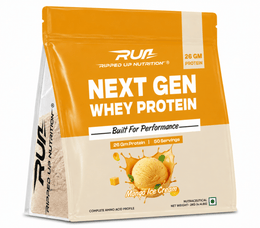
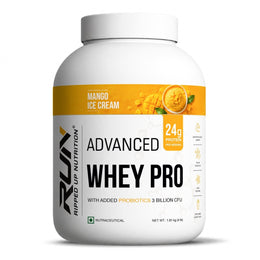
For most gym-goers, whey protein pro is the starting point and, honestly, the most common option in this whole space. It is a nice mix of fast digestion, strong amino acid coverage, and a price that is usually easier to manage.
Whey Isolate
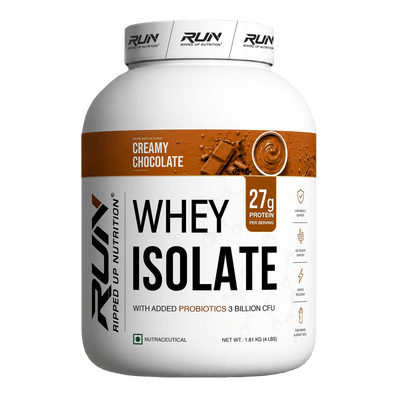
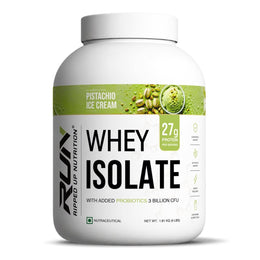
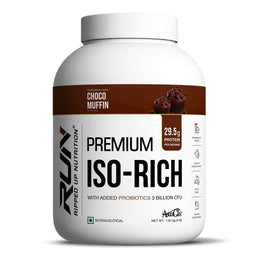
To remove extra fat and lactose, whey isolate uses extra filtration. That offers a higher protein amount per scoop, most probably 90% or more, and a lighter product that is friendly in nature and feels easier on the stomach. It is not at all suitable for lactose-intolerant people, or if the requirement is for something leaner, it's a perfect choice for muscle-building supplements.
Fermented yeast protein
It is an innovative, high-quality protein source produced through a natural fermentation process. It provides all nine essential amino acids, making it a complete protein that supports muscle growth, recovery, and overall performance. Unlike traditional dairy-based proteins, fermented yeast protein is suitable for many people seeking alternative protein sources. Its excellent digestibility and sustainable production also make it an emerging choice for fitness enthusiasts and active lifestyles.
Mass Gainer
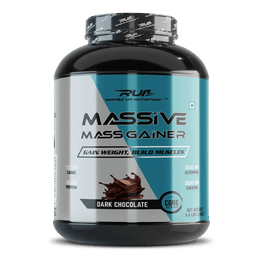
Mass gainers are basically protein plus a good dose of carbohydrates and calories. They are made for people who struggle to eat enough to gain weight. If your calorie intake already sits where it should, a massive mass gainer is usually not the daily go-to. Use it with intent, and not as a default.
Plant Protein
A plant-based formulated protein is often made from rice, pea, and hemp and gives a suitable amino acid setup when it is manufactured in the right way. Lactose-intolerant and vegan people can pick this product, as it is more suitable and digests more slowly than whey.
One should check the brand label and amino acid profile before purchasing it. As different companies’ quality and quantity vary a lot.
Casein Protein
Casein is the other major protein from milk. Compared to whey, it digests slower—like slowly, over four to seven hours. That makes it a smart fit before sleep, when you are in a fasted state and your muscles are still recovering from the day’s training. A casein shake before bed is one of those easy recovery habits that is actually realistic to keep.
Best Protein Supplement for Gym Beginners
Gym beginners often get confused about which muscle-building supplements they should take. With so many protein powders, mass gainers, and pre-workout supplements available, choosing the right one can feel overwhelming. The good news is that for most beginners, the decision is actually quite simple—start with a high-quality whey protein. Backed by extensive research, whey protein is highly bioavailable, easy to digest, and versatile enough to be consumed at any time of the day.
Always choose a protein supplement that provides 20–25 grams of protein per serving, contains minimal added sugars, and has a short, clean ingredient list. Complex formulas with unnecessary ingredients can make it harder for beginners to know what they're consuming. Sticking to one reliable protein supplement while maintaining consistency with your workouts is far more beneficial for achieving your fitness goals.
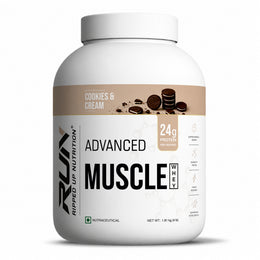
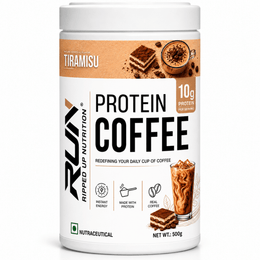
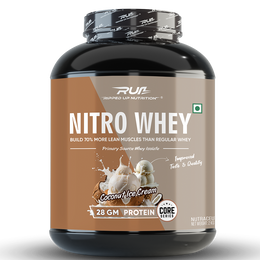
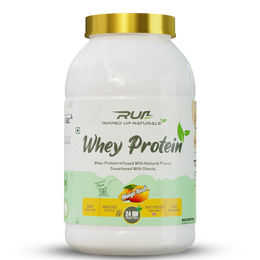
Ripped Up Nutrition's whey protein range is designed with this approach in mind, offering clean ingredients, proven effectiveness, and third-party testing, so beginners know exactly what they're getting from day one.
Best Muscle Building Supplements Besides Protein
Other supplement companies assure us that their products are the ultimate and best ones. But we cannot trust anyone blindly. The base of the product is protein, and there are many claims with solid proof that it builds muscle and makes you stronger.
- Creatine
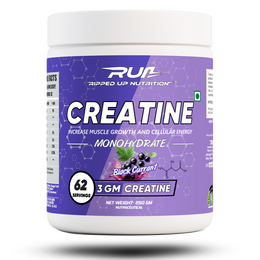
Through research, we came to know that creatine is one of the sports nutrition supplements, as it boosts our muscles’ ability to produce ATP.
During aggressive workouts like lifting, it is an energy currency and, by the time, it can give better muscle gain. Take 3 to 5 grams daily. Timing is not a big deal here, but consistency is.
- Pre-Workout
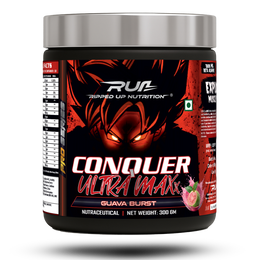
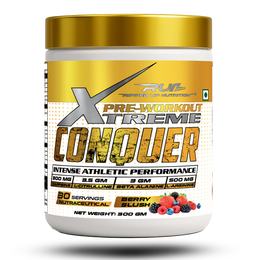
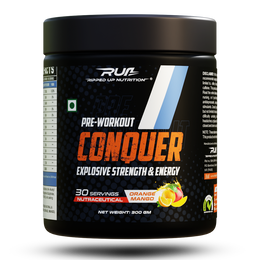
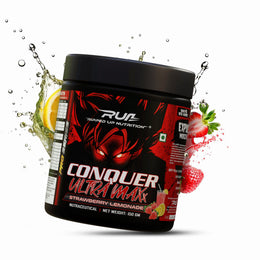
For gym endurance, energy, alertness, and muscle repair, one needs a good pre-workout. Generally, formulas are prepared with caffeine, beta-alanine, and citrulline malate, which do not build muscle directly but enhance our training skills in a better form. And as we know, better training means better results.
Ripped Up Nutrition’s pre-workout formulas are dosed for actual performance, not just whatever looks good on the label.
BCAAs can be pretty handy in certain moments, mainly if you train fasted or if your total protein intake is, honestly, not hitting the mark. If you already get your protein goal for the day, BCAAs don’t add much. Still, for early morning workouts with no meal beforehand, they may help with muscle tissue preservation during the session.
- Electrolytes
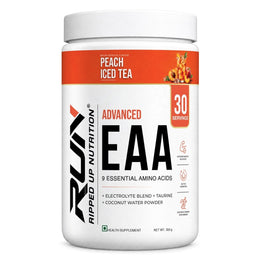
Electrolytes are their own way in managing our fluid balance, nerve signals, and muscle contraction. Sodium, potassium, and magnesium play a key role and do a lot. When we train and sweat a lot, we
Lose this fast. But if our training session is longer and harder, replacing these electrolytes can support our performance and repair them.
How to Choose the Right Protein Supplement
Before buying a protein supplement, make sure it checks these boxes:
✅ 20–30g of Protein Per Serving – Supports muscle growth and recovery effectively.
✅ Complete Amino Acid Profile – Look for all nine essential amino acids, especially leucine.
✅ Minimal Added Sugar – Choose products with little to no added sugar.
✅ Clean Ingredient List – Avoid unnecessary fillers, artificial colours, and excessive additives.
✅ Third-Party Tested – Ensures quality, purity, and label accuracy.
✅ Matches Your Fitness Goal – Whey isolate for lean muscle, whey concentrate for everyday use, or fermented yeast protein for an alternative protein source.
✅ Easy to Digest – Select a formula that suits your digestive needs and dietary preferences.
✅ Trusted Brand Reputation – Buy from brands that are transparent about ingredient sourcing, manufacturing, and quality standards.
Quick Comparison of the Best Protein Supplements for Gym
| Supplements | Idle For | Key benefits |
Best time to take |
Who should choose it? |
| Whey Protein | Muscle building and recovery | Fast-digesting complete protein rich in BCAAs and leucine | Within 1–2 hours after a workout or anytime during the day | Beginner, intermediate, and advanced gym-goers |
| Whey isolate | Lean muscle gain | Fast-digesting complete protein | Post-workout or between meals | People with lactose |
| Casein | Overnight muscle recovery | Slow-release protein that supports muscle repair for hours | Before bedtime | Anyone looking to reduce overnight muscle breakdown |
| Plant Protein |
Dairy-free nutrition |
Complete protein (when blended) with good digestibility | Post-workout or with meals | Vegans, vegetarians, and dairy-intolerant individuals |
| Mass Gainer |
Healthy weight and muscle gain |
High-calorie blend of protein and carbohydrates | Between meals or after workouts | Hard gainers and people with fast metabolism |
| Creatine monohydrate |
Strength and power |
Improves performance, strength, and muscle growth over time. | Any time of the day (daily) | Anyone focused on gaining strength and muscle mass |
| Preworkout |
Energy and focus |
Boosts workout intensity, endurance, and concentration. | 20–30 minutes before training | People wanting better workout performance |
Common Mistakes Beginners Make
Most beginners repeat the same patterns when they’re picking a preworkout supplement. Protein supplements for gym beginners should be chosen according to your health goals and training sessions.
-
First, take protein instead of eating real food. Supplements are add-ons, not replacements. Whole foods bring micronutrients and stuff that powders just can’t mimic.
- Second, overloading on protein. More isn’t always better. Your body can only process so much at one time. Extra protein may get stored as fat or used as energy; it usually doesn’t turn into extra muscle.
- Third, buying based on marketing. A flashy name and loud branding do not guarantee effectiveness. Read the label every time, not just once.
- Fourth, skipping consistency. One week of “perfect” use doesn’t do much. Months of steady intake will actually nudge your body composition.
- Fifth, ignoring training quality. No supplement cancels out weak training. Real progress comes from progressive overload, plus recovery.
A solid diet and good training will beat perfect muscle-building supplements with mediocre training every single time. Prioritise the fundamentals first.
Why Buy Protein Supplements from Ripped Up Nutrition
Ripped Up Nutrition is made for serious gym people who want real outcomes without compromise. Each product is built using ingredients backed by clinical research. Shop authentic protein supplements for the gym at Ripped Up Nutrition with premium quality, lab-tested formulations, fast delivery, and expert support. research, with accurate dosing and clear labelling. No sneaky proprietary blends hiding underdosed products.
Their lineup covers the whole range, from whey protein and isolate to creatine, pre-workout, BCAAs, and mass gainers. So it’s basically one place for all your muscle gain supplement needs, without bouncing around ten different stores.
Shop authentic protein supplements for the gym at Ripped Up Nutrition with premium quality, lab-tested formulations, fast delivery, and expert support.
FAQs
What protein supplement is best for gym beginners?
Whey protein is the best supplement for gym beginners, as it's easy to digest and helps in increasing your stamina level.
What is the best protein supplement for muscle gain?
For muscle gain, whey protein and whey isolate are the perfect picks because they are rich in leucine and digest fast. It offers us the best result if consistently used.
Do I need protein supplements if I go to the gym?
No, not really; it’s not required. Still, supplements can be a helpful shortcut. If you reliably hit your daily protein target through food, then it’s basically optional. Many people like them anyway, because meal prep isn’t always realistic or timed properly.
Which supplement helps build muscle faster?
Protein combined with creatine builds muscle faster as it repairs and damages control. With both, you basically cover two major nutritional gaps that many gym-goers run into.
Is whey protein safe for daily use?
Yes, for most healthy adults it’s generally considered safe when used as directed. If you’re lactose intolerant, go with whey isolate or a plant-based option instead. That tends to be the smoother route.
Can beginners take protein supplements?
Yes, for sure. Beginners often see solid results because the body adapts quickly. Keep it basic at first; one clean whey product is usually plenty during the first couple months.
How much protein should I take after a workout?
Every label has their own recommendations of servings, but a practical range is around 20 to 40 grams after training.