


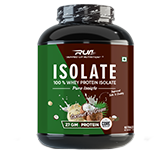









One Scoop of Whey Protein: Calories, Grams & Benefits
Share
Whey protein has become one of the most popular sports nutrition supplements in the world. From beginners starting their fitness journey to professional athletes trying to maximize recovery, millions of people consume whey protein daily. Yet one question still creates confusion for many users:
How much protein is actually in one scoop of whey protein?
At first glance, the answer may seem simple. But when you start comparing different brands, you quickly realize that not every scoop is the same. One brand may provide 24 grams of protein in a 30-gram scoop, while another may provide only 20 grams in a 35-gram scoop. Some powders are low-calorie and lean, while others include carbohydrates, sugars, digestive enzymes, or muscle-building blends.
This confusion becomes even bigger when people try to track calories accurately, build muscle efficiently, lose fat, calculate daily protein intake, compare isolate vs concentrate whey
That is why understanding the nutritional value of one scoop of whey protein matters more than most people think.
Whey Protein Nutrition Per Scoop
|
Type of Whey |
Scoop Weight |
Protein |
Calories |
|
Whey Isolate |
28g–32g |
24g–27g |
100–120 |
|
Whey Concentrate |
30g–36g |
20g–24g |
120–160 |
|
Hydrolyzed Whey |
30g |
24g–26g |
110–140 |
The average protein in one scoop of whey protein is around 24 grams, but you should always check the label because serving sizes vary significantly across brands.
What Is One Scoop of Whey Protein?
A scoop is the measuring spoon included inside the protein container. It is designed to help users consume the brand’s recommended serving size without needing a weighing scale every time. However, many people misunderstand what a scoop actually represents.
A scoop does not automatically mean a fixed amount of protein. a fixed calorie amount, a universal measurement across all brands.
Instead, a scoop represents the serving size created by that specific manufacturer.
For example:
-
Brand A may use a 30g scoop with 24g protein
-
Brand B may use a 35g scoop with 22g protein
-
Brand C may use a 28g scoop with 25g protein
Even though all are called “1 scoop,” the nutritional values are completely different.
This is why fitness experts recommend checking:
-
serving size
-
protein per serving
-
ingredient list
-
protein percentage
rather than trusting the scoop alone.
Another important factor is that protein powder scoops measure volume, not exact weight. If the powder is packed tightly, a scoop may weigh more. If the powder is fluffy, the same scoop may weigh less.
That is also why heaped scoops often contain far more calories and protein than expected.
1 Scoop Whey Protein in Grams
On average, 1 scoop whey protein in grams weighs between 25 grams and 35 grams.
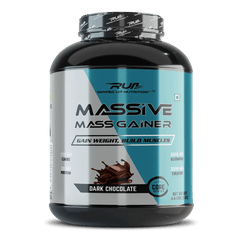
Some lean whey isolate powders may use smaller scoops, while mass gainers and blended proteins may use much larger serving sizes.
Why Scoop Sizes Differ Between Brands
Different brands use different formulations. Some whey proteins are highly purified, while others contain additional ingredients like:
-
flavoring compounds
-
digestive enzymes
-
sweeteners
-
carbohydrates
-
creatine
-
vitamins and minerals
All these ingredients increase scoop weight without necessarily increasing protein content.
For instance:
-
a 30g isolate scoop may contain 27g protein
-
a 40g blended scoop may still contain only 24g protein
That means a larger scoop does not always mean more protein.
Common Scoop Size Ranges
|
Protein Type |
Average Scoop Size |
|
Whey Isolate |
28g–32g |
|
Whey Concentrate |
30g–36g |
|
Whey Blend |
32g–40g |
|
Mass Gainer |
75g–150g |
Protein in One Scoop of Whey Protein
The average protein in 1 scoop whey protein ranges between 20g and 30g depending on the whey type and purity level.
The higher the protein concentration, the more protein you get per scoop.
Understanding Whey Protein Types
Not all whey protein is identical. The protein content changes depending on how the whey is processed.
Whey Protein Concentrate
Whey protein concentrate is the most common and affordable type of whey protein available in the market. It typically contains around 70–80% protein along with slightly higher amounts of lactose, carbohydrates, and fats compared to other forms like whey isolate. Since whey concentrate undergoes less processing, it retains more natural milk compounds, which many users believe contributes to its richer nutritional profile and creamier taste.
This makes it a popular choice among beginners, casual gym-goers, and people looking for a budget-friendly protein supplement. However, because it contains more carbs and fats, whey concentrate generally provides slightly fewer grams of protein per scoop than whey isolate.
Whey Protein Isolate
Whey isolate undergoes an advanced filtration process that removes most of the lactose, fats, and carbohydrates naturally found in whey. Because of this extra processing, whey isolate typically contains around 85–95% protein, making it one of the purest forms of whey protein available. The higher protein concentration means you get more protein with fewer calories, carbs, and fats per scoop.
This makes whey isolate an excellent choice for people focused on fat loss, lean muscle building, or maintaining a high-protein diet without consuming excess calories. It is also popular among lactose-sensitive individuals because it contains very little lactose compared to whey concentrate. Athletes during cutting phases often prefer whey isolate since it helps support muscle recovery and protein intake while keeping calorie consumption lower.
Hydrolyzed Whey Protein
Hydrolyzed whey protein is a highly processed form of whey that has been partially pre-digested, allowing the body to absorb it more quickly than regular whey protein. Because of its fast digestion and rapid amino acid delivery, it is commonly used by advanced athletes, professional bodybuilders, and people focused heavily on muscle recovery after intense workouts. Although hydrolyzed whey is usually more expensive than whey concentrate or isolate, many users prefer it because it is easier on digestion and may help reduce bloating or stomach discomfort in some individuals.
Protein Comparison Table
|
Whey Type |
Protein Per Scoop |
Carbs |
Fat |
Digestion Speed |
|
Concentrate |
20g–24g |
Moderate |
Moderate |
Medium |
|
Isolate |
24g–27g |
Low |
Low |
Fast |
|
Hydrolyzed |
24g–26g |
Low |
Low |
Very Fast |
One Scoop of Whey Protein Calories
The average one scoop of whey protein calories ranges from 100 to 160 calories.
Some lean whey isolate products may contain as low as 100 calories, while calorie-dense blends or mass gainers can exceed 200 calories per serving.
Whey Protein Nutritional Value
Whey protein is considered a complete protein because it contains all nine essential amino acids required for muscle repair and recovery.
It is also rich in branched-chain amino acids (BCAAs), particularly leucine, which plays a major role in stimulating muscle protein synthesis.
-
Typical Nutritional Value of One Scoop
|
Nutrient |
Average Amount |
|
Protein |
20g–30g |
|
Calories |
100–160 |
|
Carbs |
1g–8g |
|
Fat |
1g–5g |
|
BCAAs |
5g–7g |
|
Leucine |
2g–3g |
|
Sugar |
1g–4g |
Is One Scoop Enough Per Day?
For many people, one scoop daily is enough as a supplement to an already balanced diet. However, whether it is sufficient depends entirely on your:
-
body weight
-
activity level
-
fitness goals
-
total dietary protein intake
Daily Protein Requirements
General recommendations include:
-
sedentary adults: 0.8g/kg body weight
-
active individuals: 1.2–2.0g/kg
-
muscle-building athletes: 1.6–2.2g/kg
For example, a 70kg active person may require 120–150g protein daily. One scoop provides only part of that requirement.
Common Mistakes When Measuring Protein Powder
One of the biggest mistakes people make is using heaped scoops instead of level scoops.
This can unintentionally increase:
-
calories
-
carbs
-
fats
Another common issue is ignoring the serving size listed on the label.
Many people assume:
-
1 scoop = 30g protein
But often:
-
1 scoop = 30g powder
-
actual protein = only 22–24g
For accurate nutrition tracking, using a food scale is highly recommended.
Expert Tips to Use Whey Protein Correctly
To get the best results from whey protein, it is important to focus on your overall daily protein intake rather than relying only on supplements. Whey protein works best when combined with a balanced diet that includes whole food protein sources like eggs, dairy, chicken, fish, legumes, and nuts. Choosing a high-quality, third-party tested whey protein can also make a big difference in terms of purity, digestion, and effectiveness. Staying properly hydrated is equally important, especially if you consume higher amounts of protein daily.
The type of whey protein you choose should match your fitness goals. If your primary goal is fat loss or lean muscle maintenance, whey isolate is usually the best option because it contains higher protein with lower carbs and fats. For muscle gain and overall strength building, whey concentrate or protein blends work well since they provide additional calories and nutrients that support growth. If you experience bloating or digestion issues with regular protein powders, whey isolate or hydrolyzed whey may feel lighter on the stomach and digest more comfortably.
Conclusion
Understanding the nutrition behind one scoop of whey protein can help you make smarter fitness and dietary decisions. Although most whey protein scoops typically contain around 20–30 grams of protein and 100–160 calories, the exact nutritional value depends on the whey type, serving size, and overall ingredient quality. Knowing the difference between whey isolate, concentrate, and hydrolyzed whey can help you select the right protein supplement based on your goals, whether you want to build muscle, lose fat, improve recovery, or simply increase your daily protein intake.
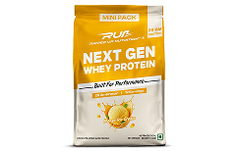
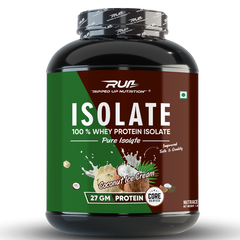
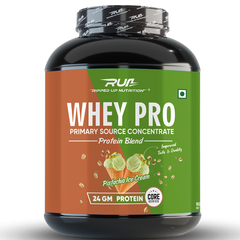
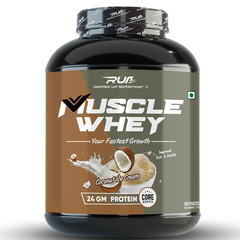
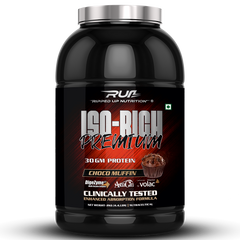
For the best results, whey protein should be combined with a balanced diet, proper hydration, and consistent training. Choosing high-quality supplements from trusted brands is equally important for achieving better performance and long-term fitness results. If you are looking for premium gym supplements, Ripped Up Nutrition offers a wide range of products including whey protein, pre-workout supplements, fat loss supplements, recovery formulas, and other performance-focused nutrition products designed to support different fitness goals. Whether you are a beginner or an experienced athlete, using the right combination of protein, nutrition, and training can help you achieve better strength, recovery, and overall health.
FAQs About One Scoop of Whey Protein
How much protein is in 1 scoop of whey protein?
Most whey protein powders contain 20–30 grams of protein per scoop, depending on the whey type and brand formulation.
How many grams is 1 scoop of whey protein?
One scoop typically weighs 25–35 grams, although mass gainers can use much larger serving sizes.
Is one scoop of whey enough to build muscle?
One scoop may support muscle growth if your overall daily protein intake and training program are adequate.
Can whey protein help with weight loss?
Yes. Whey protein may improve satiety and help preserve muscle during calorie deficits, making it useful for fat loss.
Is whey protein safe daily?
Yes. High-quality whey protein is generally safe for healthy adults when consumed as part of a balanced diet.